

Why Australian Designers Embrace Minimalist Concepts
Minimalism in Australian Design
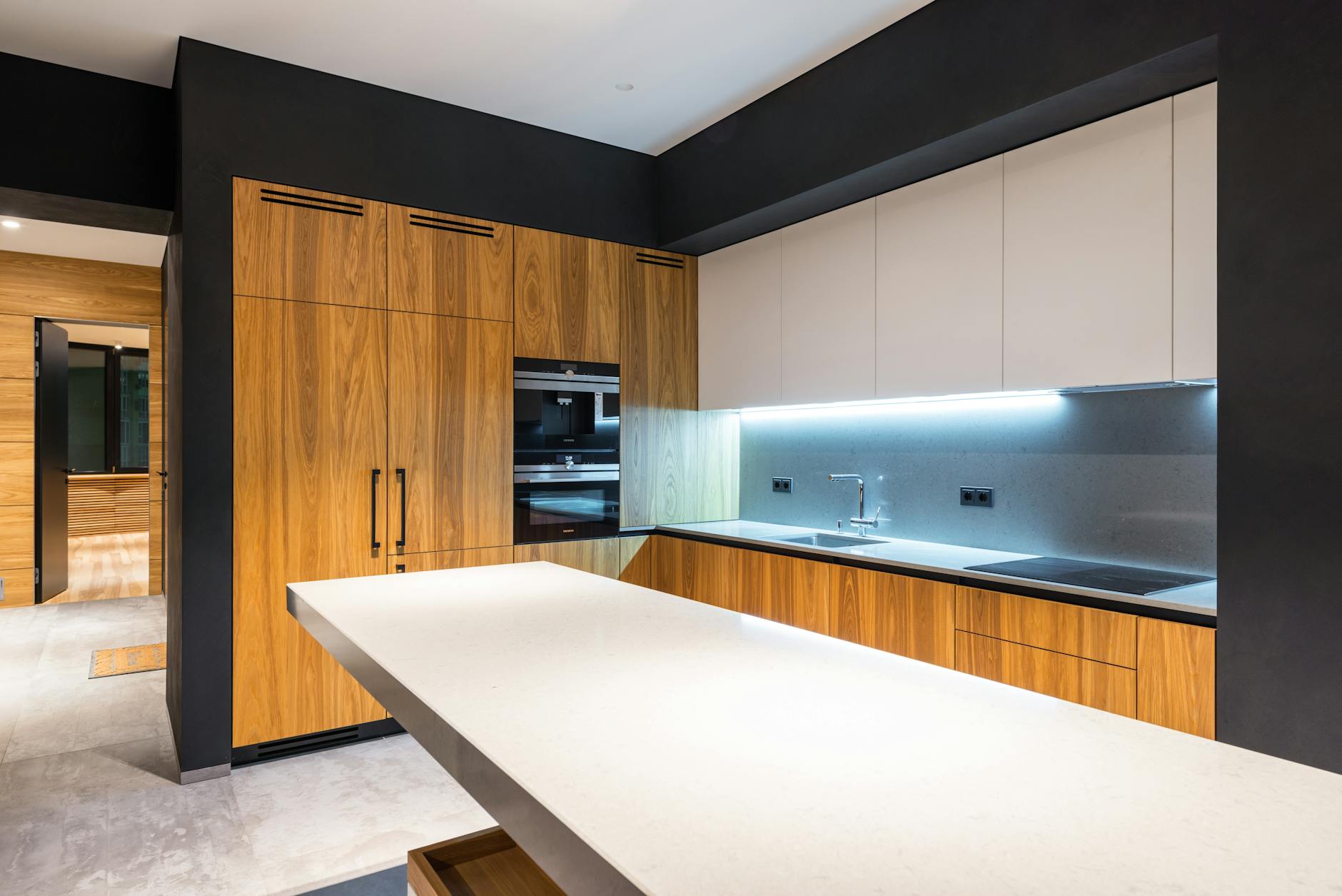
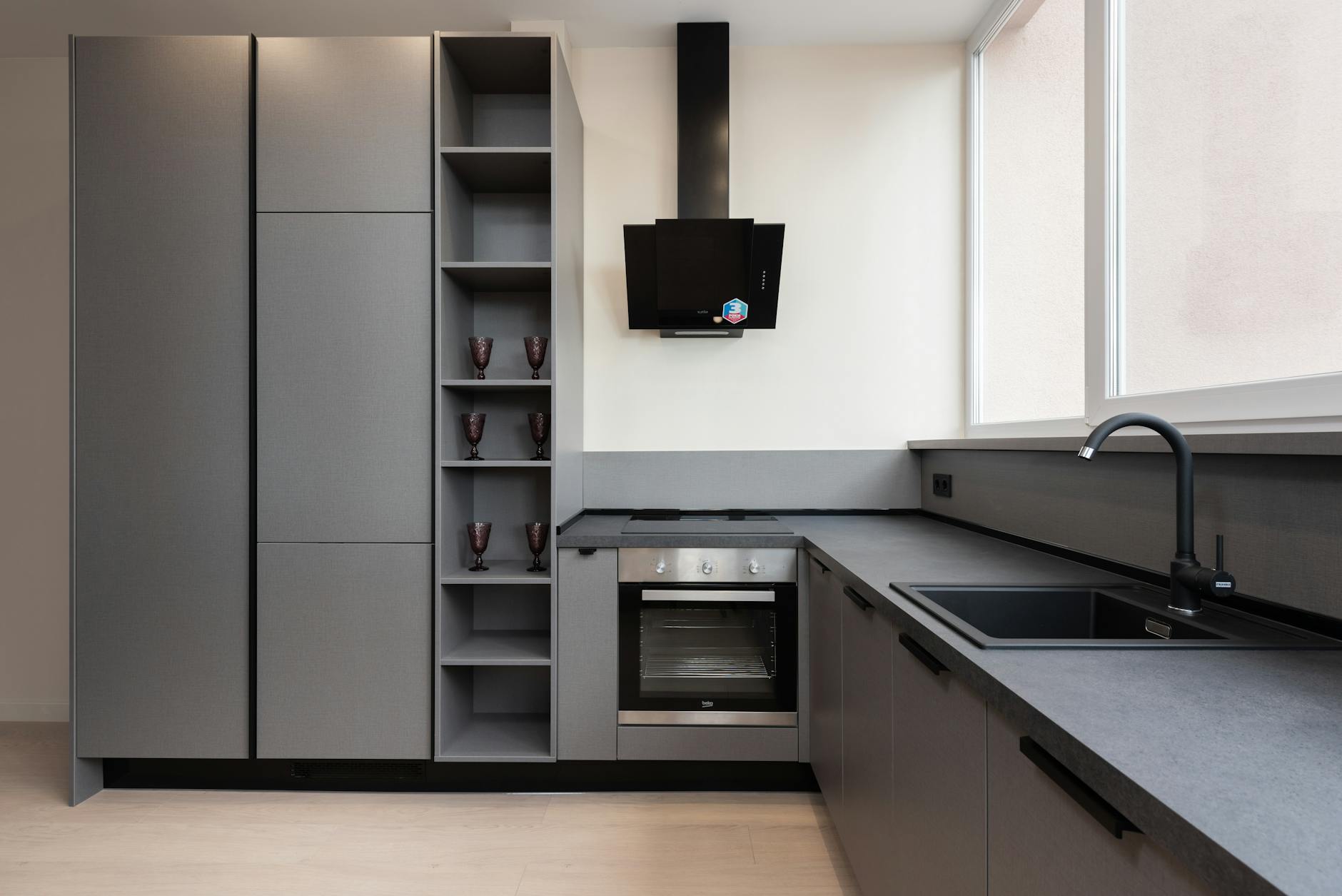
Imagine a quiet afternoon spent roaming the serene spaces of the NGV International in Melbourne, where design exhibitions often blend art with minimalism. This artistic ethos, rooted deeply in Australian design, defines the beauty of simplicity. Minimalism isn't just about reducing clutter; it's about creating spaces that breathe. Embracing minimalism means choosing essential items like a gas cooktop and oven freestanding to streamline your kitchen while maintaining functionality.
I remember the time I explored the Royal Botanic Gardens, which offered inspiration in its natural symmetry. Key characteristics of minimalism focus on clean lines, open spaces, and neutral palettes, reflecting an appreciation for natural beauty. Likewise, elements such as modern appliances that use sustainable technology, like a nuwave induction cooktop, contribute to minimalist aesthetics while supporting eco-friendly living.
With the increasing prominence of minimalism, our homes have transformed into contemporary spaces that reflect a blend of past and modern influences. In today's homes, essentials such as a Big TV become focal points against unobtrusive backgrounds, providing an anchor in sparsely adorned rooms. These choices help maintain a balance between utility and elegance, a nod to both comfort and environmental consciousness.
Through intentional design, we can craft spaces that echo quietude and sustainability, encouraging a lifestyle of mindfulness. As we navigate this journey, the essence of minimalism continues to enrich contemporary settings, steering us towards a simpler, more conscious way of living.
Cultural Influences
In Australia's vibrant tapestry of design, cultural influences play a pivotal role, reflecting deep connections to both land and society. As I meander through the Royal Botanic Gardens, it's clear that our natural landscapes inspire both aesthetic and practical approaches to minimalism. Indigenous inspirations, for instance, shape our appreciation for natural materials and community-oriented designs. Indigenous art and cultural motifs often embody stories and knowledge that remind us of our responsibility to the land.
While Australia is renowned for its beaches and sun-drenched lifestyle, our homes must adapt to climatic variations. Designing spaces with cross-ventilation and insulation becomes crucial to mitigate extreme temperatures. In choosing appliances, the likes of kings 45l fridge offer energy efficiency, keeping sustainability in mind.
Societal shifts, too, have pushed minimalism into the limelight, prioritizing sustainable choices that serve functional purposes. With a keen interest in eco-friendly living, hills of design wisdom from diverse backgrounds have fused with Australian values, much like how unique and sustainable materials are sourced from the iconic Queen Victoria Market.
In my workshops at NGV International, I often advocate for selecting omelette pans and woll pots and pans that endure daily use while being gentle on the environment. It’s about curating minimalist spaces that echo cultural significance while honouring the practical needs of a sustainable lifestyle. Through these influences, my hope is to empower you to shape your own eco-conscious and minimalist journey.
Sustainability and Minimalism
Sustainability and minimalism go hand in hand, creating spaces that are not only visually appealing but also environmentally conscious. My recent visit to NGV International's design exhibitions sparked a fascination with sustainable design, highlighting how much we can achieve with simple choices. One way is by investing in energy-efficient appliances like an Electrolux induction oven. These ovens offer precise cooking while using less energy, making them a smart choice for an eco-friendly kitchen.
Material selection is crucial when it comes to upholding sustainability. By incorporating natural elements and locally sourced materials in our spaces, we reduce our carbon footprint and support local communities. Take inspiration from the serene landscapes of the Royal Botanic Gardens, where natural aesthetics and sustainable materials form a perfect alliance. Consider using recycled wood or eco-friendly textiles to bring an organic feel to your home.
Exploring innovative appliances can also help maintain this balance. For those seeking more sustainable alternatives in personal care, a cordless blow dryer is ideal, offering convenience without the tether and often featuring energy-saving technology.
Choosing products that align with sustainability doesn’t have to be overwhelming. Simplify your selections by integrating items that offer longevity and efficiency. With each thoughtful choice, we contribute to a lifestyle that respects our planet while maintaining our aesthetic aspirations.
Impact on Daily Living
Functional Aesthetics
Incorporating functional aesthetics into your home not only enhances its look but also improves daily life. I remember exploring innovative designs at the NGV International, where I found inspiration for integrating form and function seamlessly. A simple blaupunkt tv remote can be both a sleek design piece and a practical tool.
Clutter Reduction Techniques
When it comes to reducing clutter, the key lies in thoughtful planning and organisation. Consider multifunctional furniture, like a coffee table with hidden storage, to keep your space tidy. Reflecting on a visit to the Queen Victoria Market, I realised defining specific spots for essential items is crucial. This helps keep everything in place—a principle I apply when organising tools like remotes and gadgets.
Emotional and Mental Benefits
The mental clarity that comes from a well-organised and minimally decorated home is astounding. At the Royal Botanic Gardens, the serenity of open spaces reminded me of the peace achievable through decluttering. The emotional benefits of adopting minimalism, like using a mitsubishi fridges that maximises space while being energy-efficient, are profound. A cleaner space can enhance mood and promote a sense of calm. This mindful design approach ultimately supports emotional wellbeing.
Overcoming Minimalism's Hurdles
Avoiding Common Pitfalls
In my years as a makeup artist in Melbourne, I've seen how minimal design can be a double-edged sword. One common mistake is over-simplifying spaces, leading to stark, cold atmospheres that lack personality. The best way to counter this is by incorporating unique elements, much like the curated pieces I've picked up from the vibrant stalls of Queen Victoria Market. Such items add warmth and character, ensuring your minimalist design is cozy and inviting.
Practical Design Tips
Start with a foundation of high-quality, sustainable materials. Drawing inspiration from the lush surroundings of the Royal Botanic Gardens, consider using natural materials like timber or recycled components. Not only are these eco-friendly, but they also exude a timeless elegance. As you select furnishings, seek those with a dual purpose or modular design—like choosing a bold lipstick that doubles as a cheek tint, these versatile pieces maximise your space without compromising on style.
Gradual Integration
Embracing minimalism doesn't happen overnight; it's about gradually curating your environment. Much like perfecting a makeup routine, begin by simplifying one area at a time. Perhaps your workspace or kitchen, much like the NGV International's design exhibitions that evolve over time. This gradual transition allows you to adjust and refine, ultimately leading to a space that feels authentically yours. By the time you've streamlined your environment, you’ll find yourself in a more serene, focused, and creatively inspired space, ready to tackle any freelance project with renewed vigor.